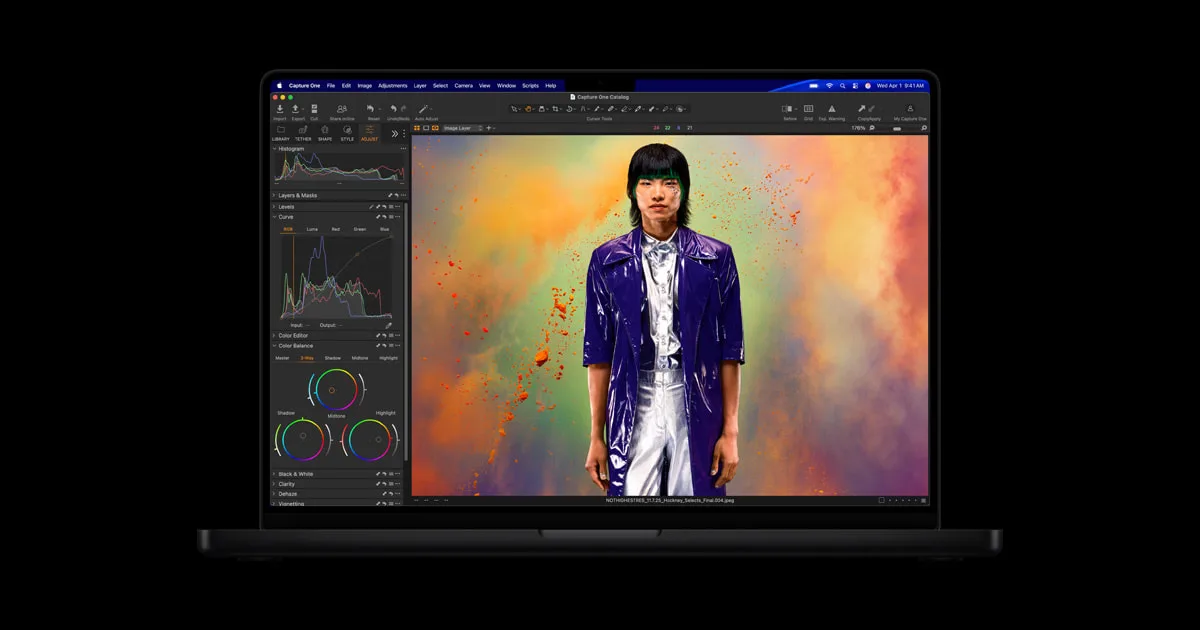
What happened
Apple's announcement focused on the chips. The M5 Pro and M5 Max use what Apple calls a Fusion Architecture, two dies joined into one chip. MacRumors noted that both chips have an 18-core CPU, with six of what Apple calls "super cores." The M5 Pro has up to 20 GPU cores and the M5 Max up to 40, each with a Neural Accelerator. Apple's headline claims:
- up to 30% faster CPU performance and up to 50% faster graphics than the M4 generation
- up to about four times faster AI tasks, such as running large language models locally, than M4 Pro and M4 Max
- memory up to 64GB on the M5 Pro and 128GB on the M5 Max
- SSDs up to twice as fast, with base storage raised to 1TB (M5 Pro) and 2TB (M5 Max)
- the N1 chip for Wi-Fi 7 and Bluetooth 6, and three Thunderbolt 5 ports
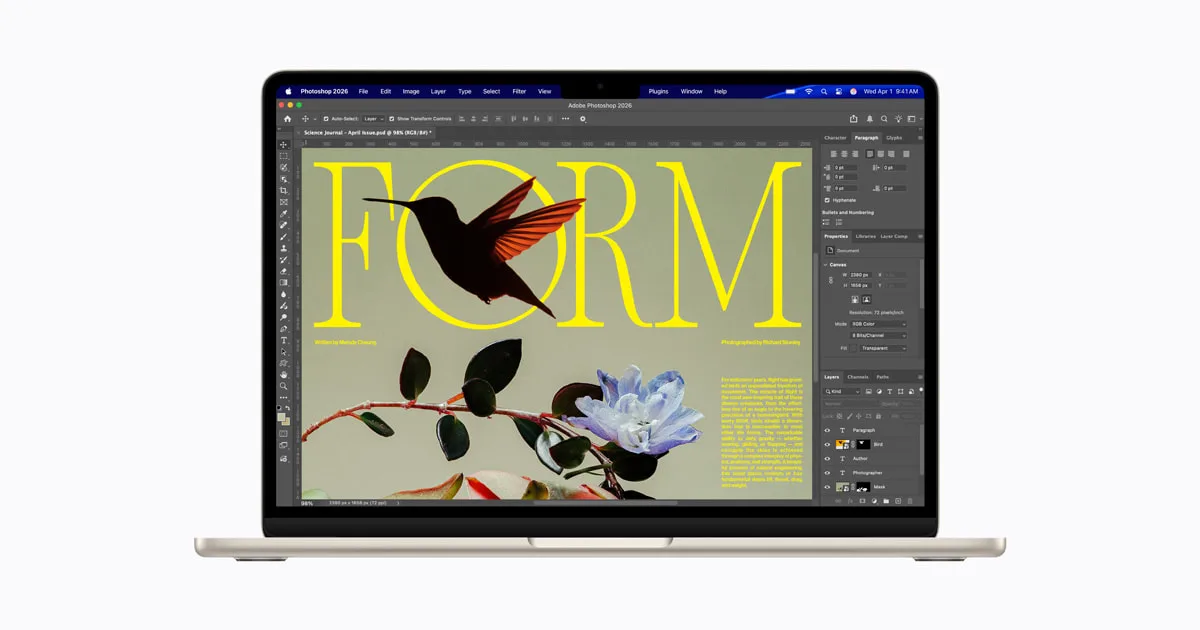
The design, the mini-LED Liquid Retina XDR display, the ports and the 24-hour battery rating were unchanged. US launch prices were $2,199 for the 14-inch M5 Pro, $2,699 for the 16-inch M5 Pro, $3,599 for the 14-inch M5 Max and $3,899 for the 16-inch M5 Max.
What changed for buyers
For buyers this was a performance update in a familiar body. The biggest gains were in on-device AI and GPU work. If you run local AI models, 3D software or heavy video effects, it was a meaningful upgrade. For coding, photo editing and general pro use, an M4 Pro machine was still very capable.
The storage change made a difference. Higher base storage meant the starting configurations needed fewer paid upgrades, which helped once Apple raised upgrade prices later in the year.
Where things stand now (November 2026)
A lot has changed in eight months.
Prices went up. Apple raised Mac prices on June 25, citing memory and storage costs. A Macworld deals roundup put the 14-inch M5 Pro at $2,499 and the 16-inch at $2,999, both $300 higher. Our MacBook Pro page lists the M5 Max models at $4,099 (14-inch) and $4,399 (16-inch).
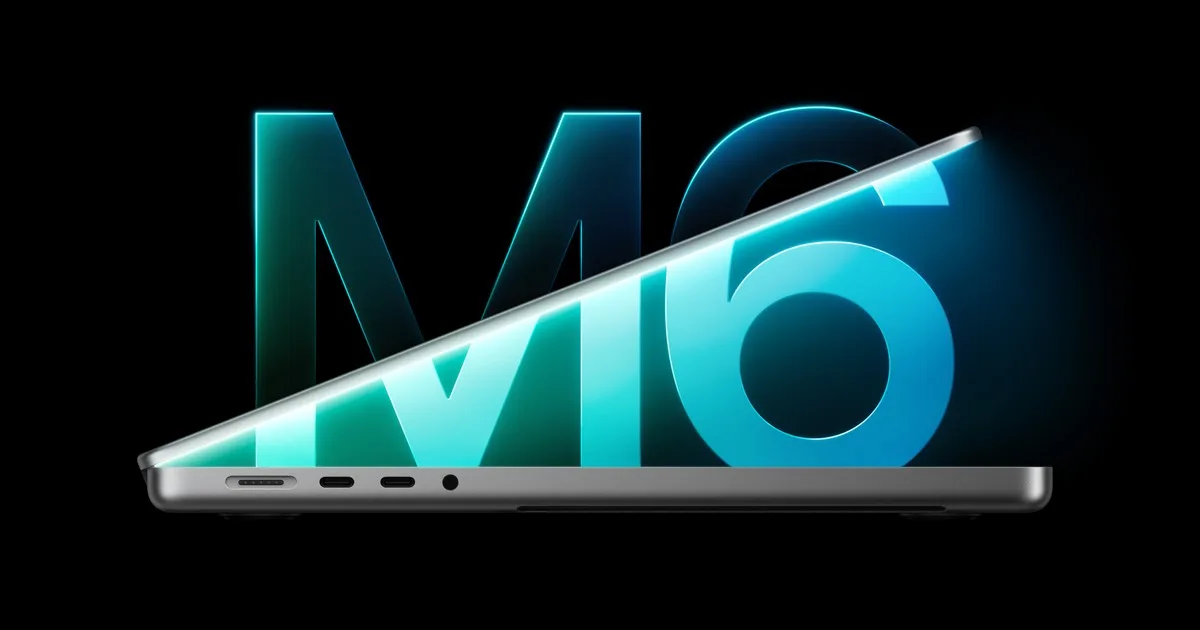
A cheaper Pro arrived with M6. The entry 14-inch model now uses Apple's newest chip. Apple's M6 announcement lists it at $1,999 with 16GB of memory, on sale since November 6. It has Thunderbolt 4 rather than 5, and it's aimed at a different buyer than the M5 Pro and Max. The plain M6 is the newer generation, but Apple hasn't released M6 Pro or M6 Max laptops. For the most CPU cores, GPU cores and memory in a MacBook, the M5 Pro and M5 Max are still the options.
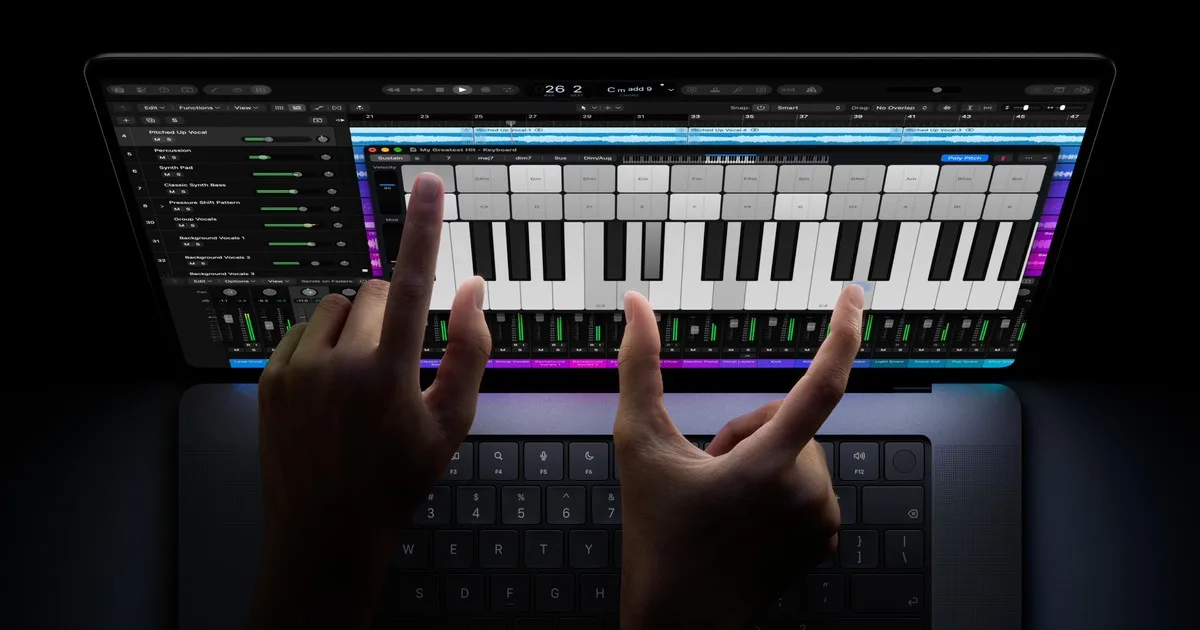
An OLED alternative arrived. On October 28 Apple announced a MacBook Pro with PROLED XDR display, a tandem OLED touchscreen, using the same M5 Pro and M5 Max chips. Apple lists it from $2,899 (14-inch M5 Pro) to $4,799 (16-inch M5 Max), and says it's lighter: 3 pounds for the 14-inch and 4 pounds for the 16-inch. It's the first Mac with touch. Each configuration costs $400 more than the matching mini-LED model.
Mini-LED or OLED? Choose the mini-LED M5 Pro or Max if you want the same performance for $400 less, don't need touch, or would rather avoid a first-generation design. Choose PROLED if you value the lighter body, OLED contrast or a touchscreen, and the premium is worth it to you. Choose the M6 model if you want a Pro screen and ports without paying for Pro-class chips.
Bottom line
The M5 Pro and M5 Max MacBook Pros are still worth buying in November 2026. They have the same chips as the new OLED models and cost $400 less. They're simply no longer the newest or most premium MacBook Pro. If budget matters, check our price tracker and Apple's refurbished store, since June's rise made them more expensive. Our compare tool sets all three versions side by side.
Found something out of date? Tell us and we'll fix it and log the change on our corrections page.