What happened
After CNBC reported the deal, Apple and Google issued a joint statement on January 12, 2026. They described a multi-year collaboration in which the next generation of Apple's own AI models would be based on Gemini. According to Engadget's report, Apple concluded that Google's technology offered "the most capable foundation for Apple Foundation Models." The companies said the models would power future Apple Intelligence features, including a more personal Siri due later that year.
Neither company disclosed financial terms. The Register noted an earlier Bloomberg report that Apple planned to pay roughly $1 billion a year. That figure was never confirmed by Apple or Google.
The deal followed a long delay. Apple first showed a smarter, more personal Siri at WWDC in 2024, then said in March 2025 that it would take longer, Engadget recalled.
What changed for buyers
At announcement, nothing visible changed on anyone's iPhone. What changed was who supplies the underlying models, and that raised two obvious questions.
Privacy. The joint statement said "Apple Intelligence will continue to run on Apple devices and Private Cloud Compute," Apple's own servers. In other words, Apple said requests would be handled by Apple's systems under Apple's privacy rules, not sent off to an ordinary Google service. Apple didn't publish technical details beyond that.
ChatGPT. Since iOS 18.2, Siri has been able to hand some questions to ChatGPT if you turn that on. Apple told CNBC it wasn't making changes to that agreement. That was why ChatGPT stayed: the Gemini deal concerned the foundation of Apple's own models, while ChatGPT remained an optional add-on for broader questions.
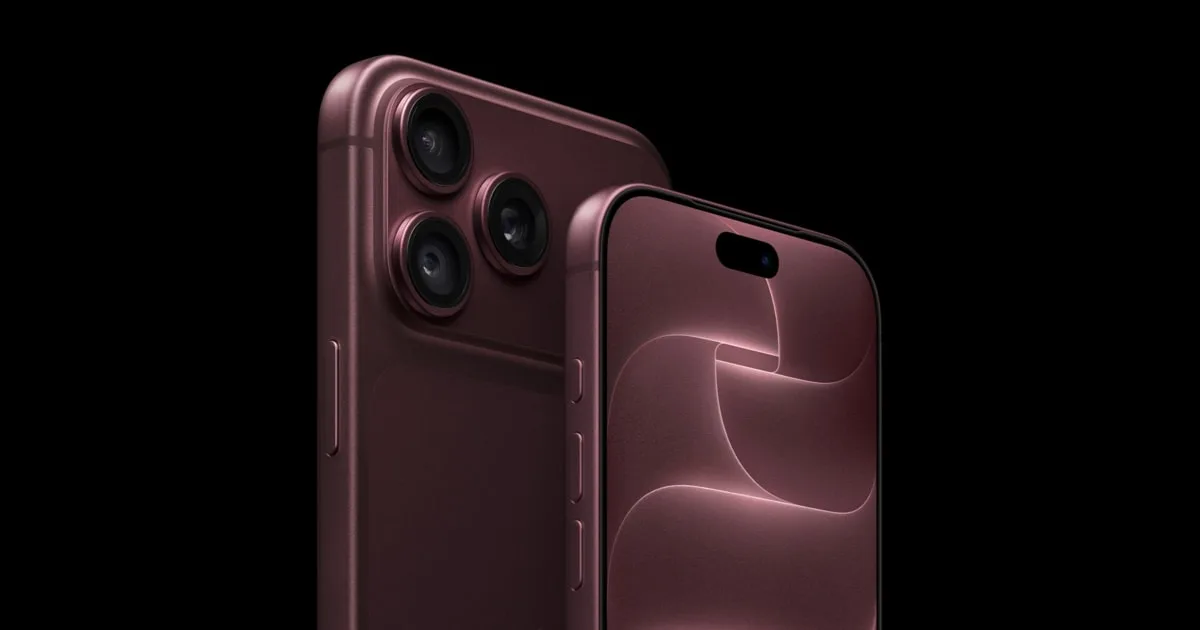
For buyers, the hardware question mattered most. Apple Intelligence already required an iPhone 15 Pro or later, so the deal gave owners of older iPhones no new path to the new Siri.
Where things stand now (November 2026)
The road from January to launch wasn't smooth. In February, MacRumors relayed Bloomberg reporting that the new Siri had hit problems and would miss iOS 26.4. Apple then introduced "Siri AI" at WWDC in June. iOS 27 shipped on September 14 with Siri AI as an English beta, and Apple's release announcement sets out the current terms:
- Devices: iPhone 15 Pro and Pro Max, iPhone 16 or later, iPhone Air and iPhone Duo, plus M1 or later iPads and Macs.
- Limits: daily usage caps that vary by request, with Apple saying expanded access will cost extra in the future. It isn't available to users under 13.
- Regions: not offered on iPhone, iPad or Apple Watch in the EU, and not in China.
Version 27.2 in October added French, Japanese, Korean, Portuguese and Spanish, and the iOS 27.3 beta is testing more. Apple's own iOS 27 announcements don't mention Gemini or ChatGPT. We couldn't confirm from Apple whether Siri can now hand off to chatbots other than ChatGPT, which was reported in pre-release coverage. Treat that as unconfirmed.
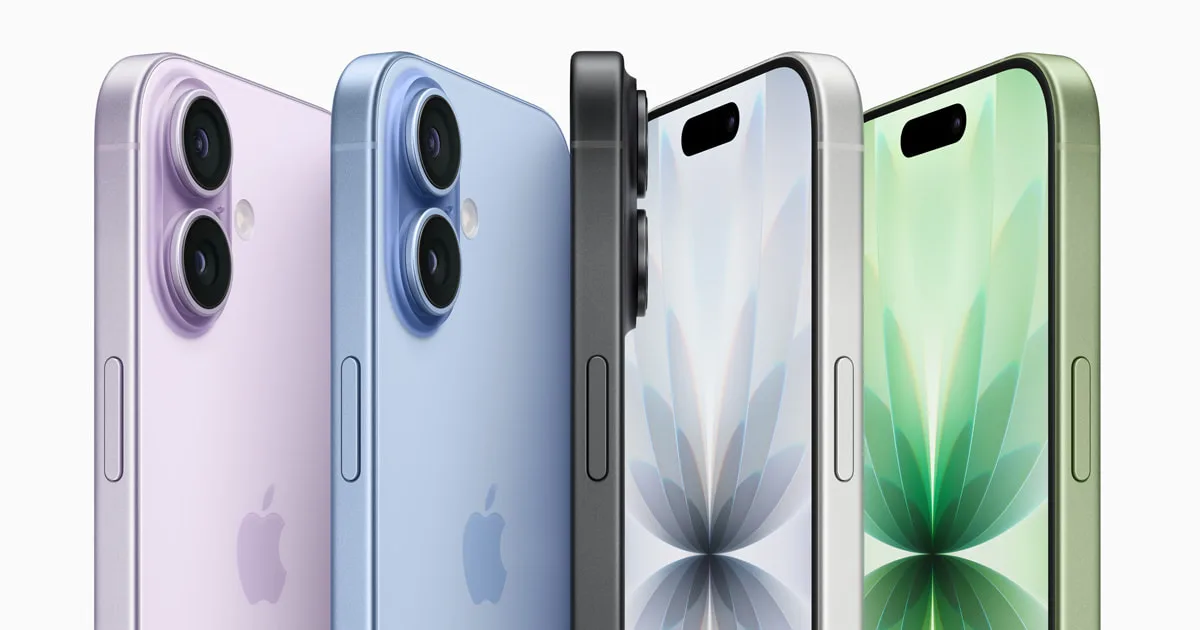
For buyers, Apple's list covers the iPhone 16 and every later model, so every iPhone Apple sells today supports Siri AI. The cheapest new routes in are the iPhone 17e from $699 and the iPhone 16 at $799. The iPhone 17 starts at $899, the iPhone Air at $1,099 and the iPhone 18 Pro at $1,199. If you have an older iPhone that can't run Apple Intelligence, see our trade-in guide and compare tool.
Bottom line
The Gemini deal is the background to the Siri now on iPhones. Google's technology sits underneath, Apple's privacy system sits on top, and ChatGPT stayed an optional extra. What matters when you buy is simpler: you need an iPhone 15 Pro or newer, Siri AI is still labelled beta with usage limits, and it isn't on iPhones in the EU. Follow updates on our iOS hub and news page.
Found something out of date? Tell us and we'll fix it and log the change on our corrections page.