Apple's earbud choice used to be simple: plain AirPods for casual listening, AirPods Pro for noise cancelling. The AirPods 5, released on September 18, 2026, blur that line, because even the $129 model has active noise cancelling. The real differences now are fit, battery, health features and the case. This comparison is research-based. It uses Apple's spec and store pages, Apple's announcements and our own product data, with prices checked on November 12, 2026. We haven't used either pair ourselves, so we can't tell you how they sound or how well they cancel noise in practice.
Prices side by side
| Model | Price | Released |
|---|---|---|
| AirPods 5 | $129 | September 18, 2026 |
| AirPods 5 with Wireless Charging Case | $149 | September 18, 2026 |
| AirPods Pro 3 | $249 | September 19, 2025 |
| AirPods Max 2 | $549 | March 25, 2026 |
Sources: Apple's store pages for AirPods 5 and AirPods Max 2, and Apple's AirPods 5 announcement. AirPods are a common holiday discount, so check our Black Friday page before paying full price.
Key specs compared
| AirPods 5 | AirPods Pro 3 | |
|---|---|---|
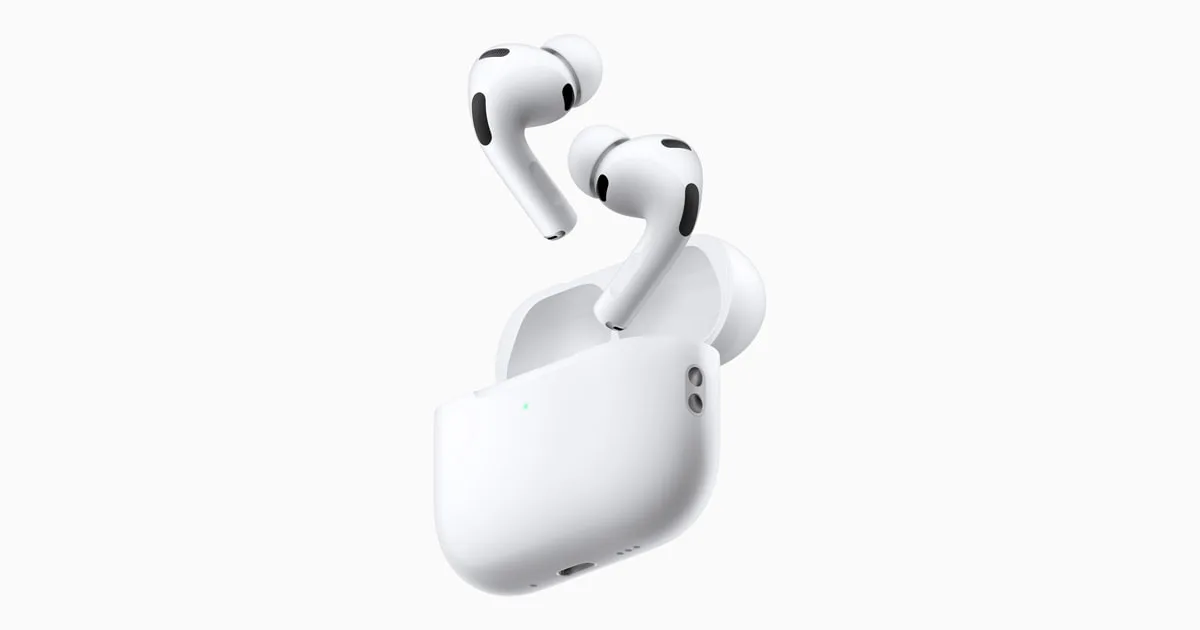
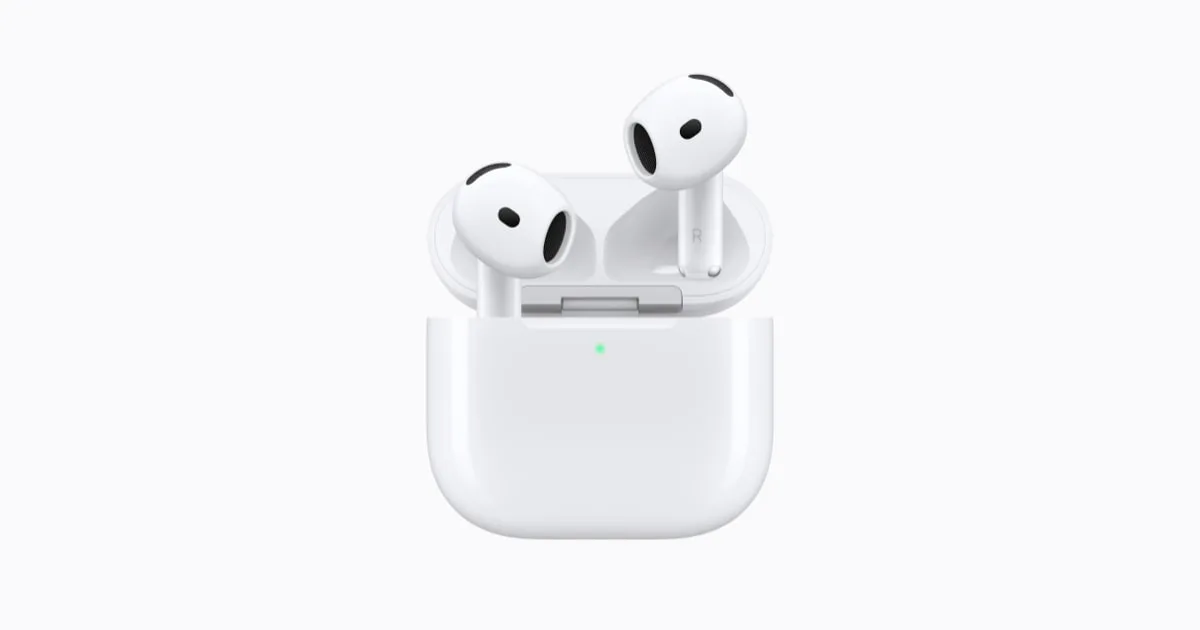
| Fit | Open fit, no ear tips | In-ear, five silicone tip sizes (XXS to L) |
| Chip | H2 | H2 |
| Noise cancelling | Yes (open-ear) | Yes (in-ear) |
| Adaptive Audio, Transparency | Yes | Yes |
| Live Translation | Yes | Yes |
| Battery with ANC (Apple) | Up to 4 h ($129 model), up to 5 h ($149 model) | Up to 8 h |
| Total with case | 20 to 22 h | Up to 24 h |
| Heart-rate sensor | No | Yes |
| Hearing Test, Hearing Aid, Hearing Protection | No | Yes |
| Case charging | USB-C; wireless on the $149 model | USB-C, MagSafe, Qi, Apple Watch charger |
| Find My speaker in case | $149 model only | Yes |
| Water and dust resistance | IP57 | IP57 |
Sources: AirPods Pro 3 specs and the AirPods 5 store page linked above. Battery figures are Apple's claims. Some features, including Live Translation, need a recent iPhone with Apple Intelligence.
Where AirPods Pro 3 win
Noise cancelling you can rely on
Apple says the AirPods 5 remove up to 50% more noise than the AirPods 4 with ANC did. That's a real step up for open-fit earbuds. But open earbuds sit loosely in the ear, so outside sound gets in around them. The Pro 3 use silicone tips that seal the ear canal, which is why noise cancelling has always worked better on the Pro models. On a plane, train or busy street, that seal matters more than any software change.
Twice the listening time
Apple claims up to 8 hours per charge with noise cancelling on the Pro 3, against 4 hours for the $129 AirPods 5 and 5 hours for the $149 model. On a long flight, the Pro 3 should go a full working day without a top-up. The cheaper AirPods may need a trip back to the case.
Health and hearing features
The Pro 3 have a built-in heart-rate sensor that works with the Fitness app during workouts. They also offer a hearing test, Hearing Protection to reduce loud sounds, and a clinical-grade Hearing Aid feature that is authorized by the FDA. The AirPods 5 have none of these. If you have some hearing loss, that alone could decide it.
A better case
The Pro 3 case charges by MagSafe, Qi, an Apple Watch charger or USB-C, and has a speaker so you can find it with Find My. You only get wireless charging and the Find My speaker on the AirPods 5 if you pay $149.
Where AirPods 5 win
Comfort without tips
Some people find in-ear tips uncomfortable or dislike the blocked-up feeling. The AirPods 5 rest in the ear instead, and you can still hear a bit of the world around you. That is safer for walks and runs near traffic, and easier for long calls.
Price
At $129, the AirPods 5 cost $120 less than the Pro 3, and you still get noise cancelling, Adaptive Audio, Conversation Awareness and Live Translation. The $149 model adds a wireless case, a little more battery and a volume swipe on the stem, according to Apple. For most casual listeners, the extra $20 is worth it for the case alone.
They're brand new
The AirPods 5 came out two months ago. The Pro 3 are about 14 months old. Both will get feature updates for years, but if you like having the newest model, the AirPods 5 are early in their cycle.
What about AirPods Max 2?
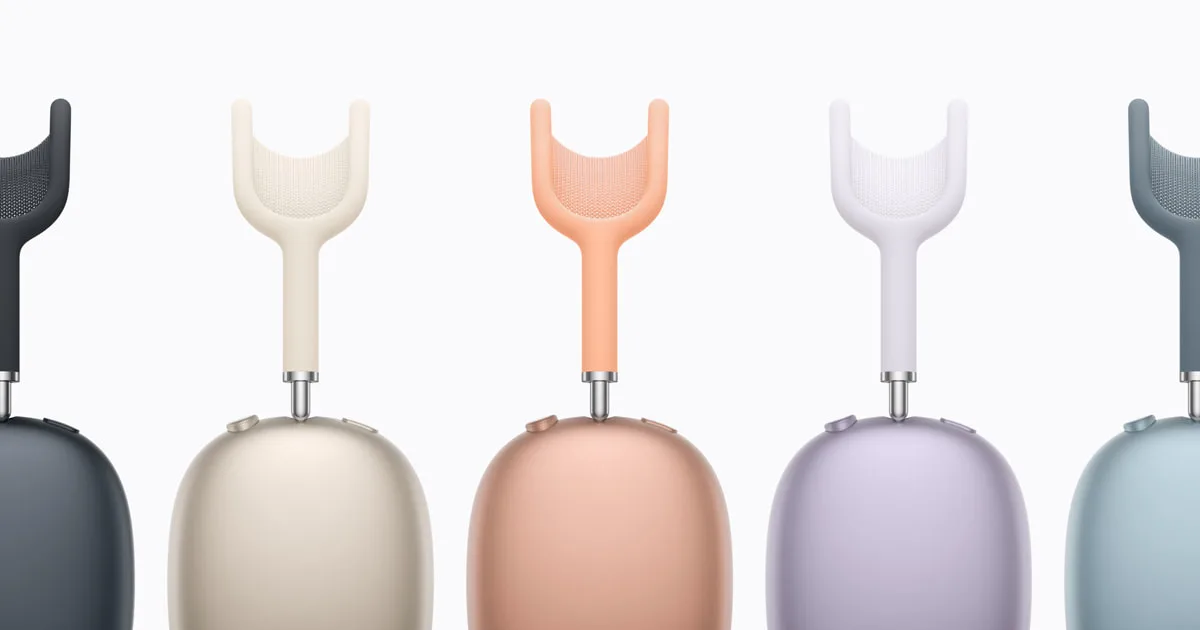
If you prefer over-ear headphones, the AirPods Max 2 are Apple's option at $549. They use the H2 chip, and Apple says they cancel up to 1.5 times more noise than the original AirPods Max. They also play lossless audio over a USB-C cable and last up to 20 hours with noise cancelling on. The trade-offs are price and weight: 386 grams is a lot to carry and wear all day. For most people, the Pro 3 give you strong noise cancelling in a pocket-sized case for less than half the price.
Who should buy which
- Commuter or frequent flyer: AirPods Pro 3.
- Runner or gym-goer who wants heart-rate data: AirPods Pro 3.
- Someone with some hearing loss: AirPods Pro 3, for the Hearing Aid feature.
- Dislikes in-ear tips: AirPods 5, ideally the $149 model with the wireless case.
- Gift on a budget, or a teenager's first AirPods: AirPods 5 at $129. See our gift guide for more ideas.
- Listens mostly at home or a desk and prefers over-ear: AirPods Max 2.
Is a new model coming?
Not soon for either. The AirPods 5 are brand new, and Apple's standard AirPods have usually gone about two years between models. For the Pro line, Bloomberg's Mark Gurman expects a version with small built-in cameras for Visual Intelligence in fall 2027, according to MacRumors. That timeline has already slipped once, from 2026. Our AirPods Pro camera rumours page rates each claim. Since that is about a year away and not confirmed, we don't think it's a reason to wait if you want Pro 3 now.
Bottom line
AirPods Pro 3 are the better earbuds for blocking noise, battery life and health features, and $249 is fair for what they do. AirPods 5 are the better value if comfort and price matter more than silence, and noise cancelling at $129 makes them an easy recommendation for casual listeners. Still deciding? Compare them on our compare page or see current offers on our buy now page.
Part of our AirPods buying hub: every AirPods guide in one place.
Found something out of date? Tell us and we'll fix it and log the change on our corrections page.