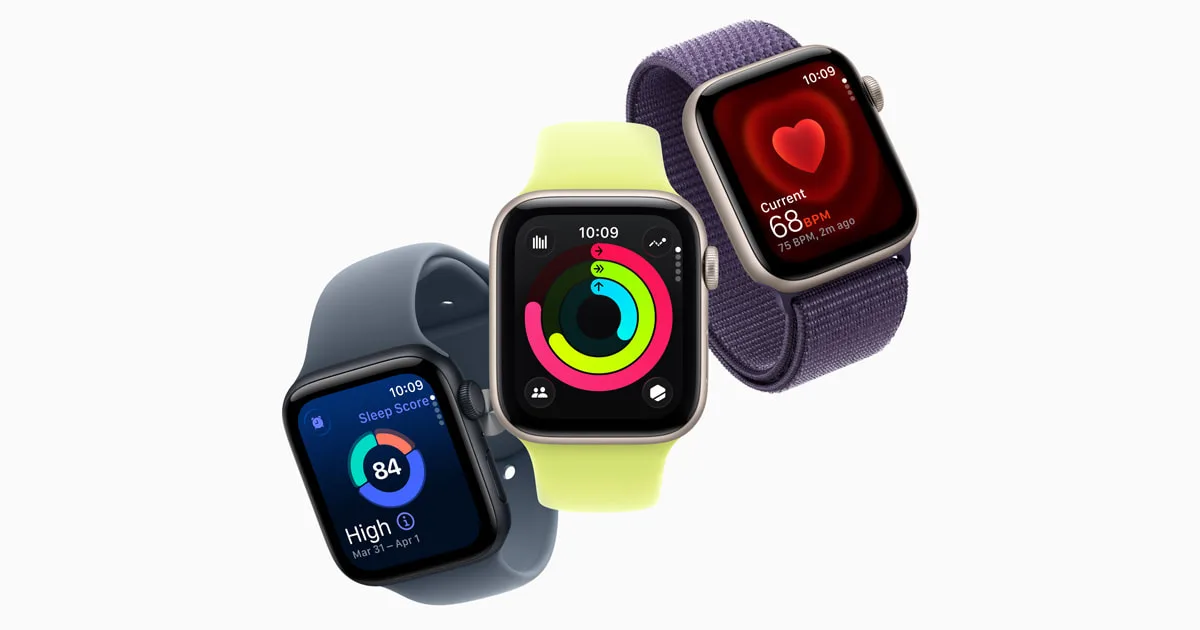
The SE 3 and the Series 12 look similar on the wrist, and both run the same watchOS. The $150 difference comes down mostly to sensors, battery and screen. This guide is research-based. It draws on Apple's spec pages and announcement, US prices checked on November 12, 2026, and our own product data. We haven't worn either watch ourselves, so battery and accuracy figures here are Apple's claims, not our measurements.
Prices side by side
| Model | Apple Watch SE 3 | Apple Watch Series 12 |
|---|---|---|
| Small, GPS | $249 (40mm) | $399 (42mm) |
| Large, GPS | $279 (44mm) | $449 (46mm) |
| Small, GPS + Cellular | $299 | $499 |
| Large, GPS + Cellular | $329 | $549 |
| Titanium | Not offered | From $699 |
| Released | September 19, 2025 | September 18, 2026 |
Sources: Apple's Watch store and Apple's Series 12 announcement. The Series 12 also comes in ceramic. When we checked, Apple's refurbished store had the SE 3 from $209 and the previous Series 11 from $299. Our prices page has the latest figures.
Key specs compared
| Apple Watch SE 3 | Apple Watch Series 12 | |
|---|---|---|
| Chip | S10 | S11 |
| Sizes | 40mm, 44mm | 42mm, 46mm |
| Display | Always-On OLED, up to 1000 nits | Always-On OLED, up to 2000 nits |
| Front cover (aluminum) | Ion-X glass | Ceramic Shield 2 |
| ECG app | Not listed | Yes |
| Blood oxygen | Not listed | Yes (wellness use) |
| Hypertension notifications | Not listed | Yes |
| Sleep apnea notifications, sleep score | Yes | Yes |
| Temperature sensor | Yes | Yes |
| Battery (Apple claim) | Up to 18 h (32 h Low Power) | Up to 24 h (38 h Low Power) |
| Fast charging (Apple) | About 80% in 45 min | About 80% in 30 min |
| Cellular option | 5G RedCap / LTE | 5G RedCap / LTE |
| Water resistance | 50m | 50m, IP6X dust, depth gauge to 6m |
| Case finishes | Aluminum (Midnight, Starlight) | Aluminum, titanium, ceramic |
Sources: Apple Watch SE 3 specs and Apple Watch Series 12 specs. "Not listed" means Apple's SE 3 spec page doesn't include that feature.
Where the Series 12 wins
More health sensors
This is the main reason to pay more. The Series 12 has an electrical heart sensor for taking an ECG, a blood oxygen sensor and hypertension notifications, which can alert you to signs of high blood pressure over time. The SE 3 spec page lists none of these. Apple's own notes say some of these features have age limits and are not meant for people already diagnosed with the condition, so check the fine print if they matter to you.
Apple's new heart-sensing system
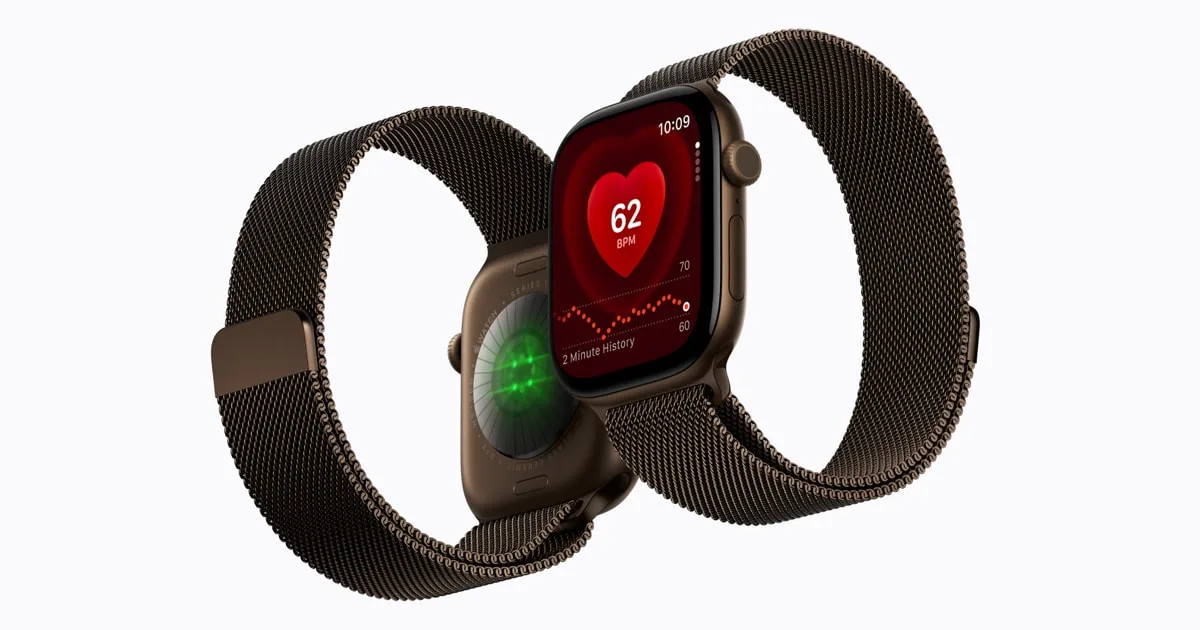
Apple says the Series 12's new optical sensor checks your heart rate every five seconds through the day, and measures heart rate variability much more often than before. It also adds a daily Readiness score from 0 to 10, built from your activity, vitals and sleep, to suggest how hard to train. Apple claims this is the most accurate heart-rate sensor in any wearable, based on its own study. We can't confirm that claim, but the extra data is real.
Battery and charging
Apple claims up to 24 hours for the Series 12 and 18 hours for the SE 3. In practice both are charge-every-day watches, but the Series 12 gives you more room to track sleep and still get through the next day. It also charges faster, and Apple says 15 minutes on the charger adds up to 12 hours of normal use.
Screen and build
At up to 2000 nits, the Series 12 screen is twice as bright as the SE 3's on paper, which helps in bright sun. Aluminum models also get Ceramic Shield 2 on the front, which Apple says is about 60% tougher than the Ion-X glass used on the Series 11. You can also choose titanium or ceramic if you want a dressier watch.
Where the SE 3 holds its own
For $150 less, the SE 3 still covers what most first-time owners use daily: notifications, Apple Pay, workout and sleep tracking, an Always-On display, and safety features such as crash detection, fall detection and Emergency SOS. It also has sleep apnea notifications, a sleep score and a temperature sensor. Cellular models support 5G, so a child can call or message without carrying a phone. If you mainly want step counts, workouts, notifications and peace of mind, it's a sensible buy.
What about the Ultra 4?
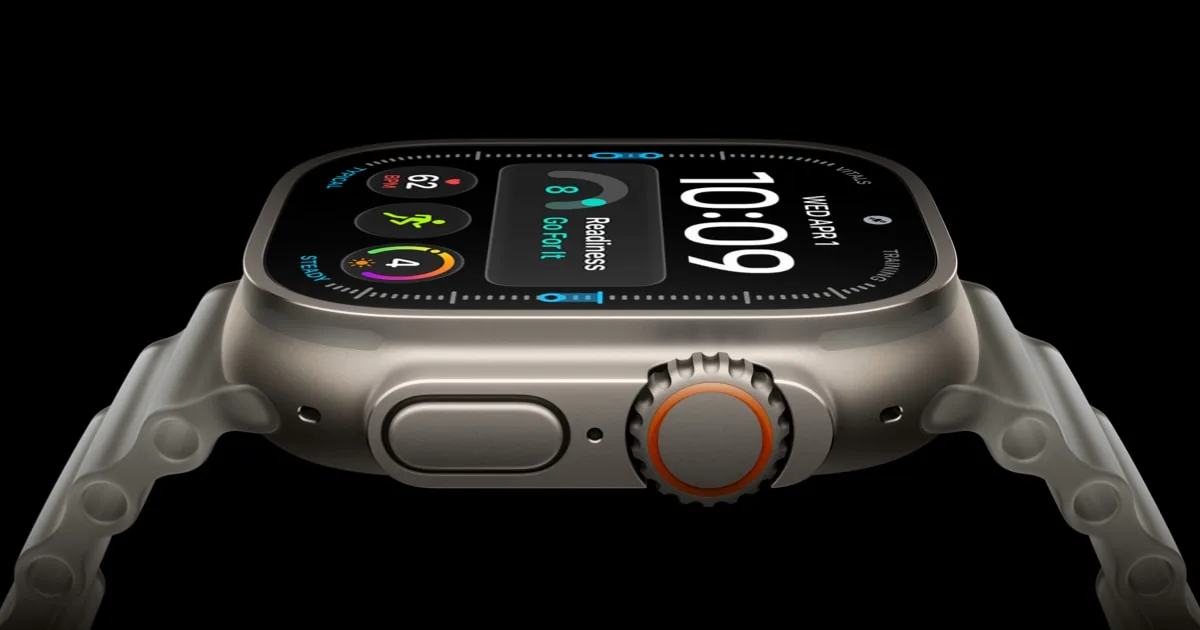
The Apple Watch Ultra 4 costs $799 and is the one to consider if daily charging annoys you. Apple claims up to 50 hours of normal use and 84 hours in Low Power Mode, roughly double the Series 12. It has a 49mm titanium case, a 3000-nit screen, satellite SOS and messaging, and dive support to 40 meters, per Apple's Ultra 4 specs. It's big and heavy at about 63 grams, though, so it's not a natural fit for small wrists.
Who should buy which
- First Apple Watch or a gift on a budget: SE 3.
- Child or older relative who needs safety features and cellular: SE 3 with GPS + Cellular.
- Anyone tracking heart health or blood pressure: Series 12.
- Serious trainer who wants recovery and readiness data: Series 12.
- Hiker, diver or someone who hates charging: Ultra 4.
- Wants Series features for less: a refurbished Series 11 from Apple, if available.
Upgrading from an older watch? See what yours is worth in our trade-in guide.
Is a new model coming?
Not for a while. Apple has released a new Series watch every September for years, so the next one is expected in September 2027, about ten months away. Reports disagree on whether that model gets a redesign, as MacRumors' Apple Watch roundup notes, and our Apple Watch 2027 rumours page tracks the claims. The SE line moves even more slowly: the SE 3 arrived three years after the SE 2. Either way, there's no strong timing reason to wait.
Bottom line
The Series 12 is the better watch if you care about health data, with ECG, blood oxygen, hypertension alerts, a new heart sensor, a brighter screen and longer battery. The SE 3 is the better value for first-time owners, kids and anyone who mainly wants notifications and fitness basics. Compare more details on our compare page, or see our gift guide if you're buying for someone else.
Part of our Apple Watch buying hub: every Apple Watch guide in one place.
Found something out of date? Tell us and we'll fix it and log the change on our corrections page.