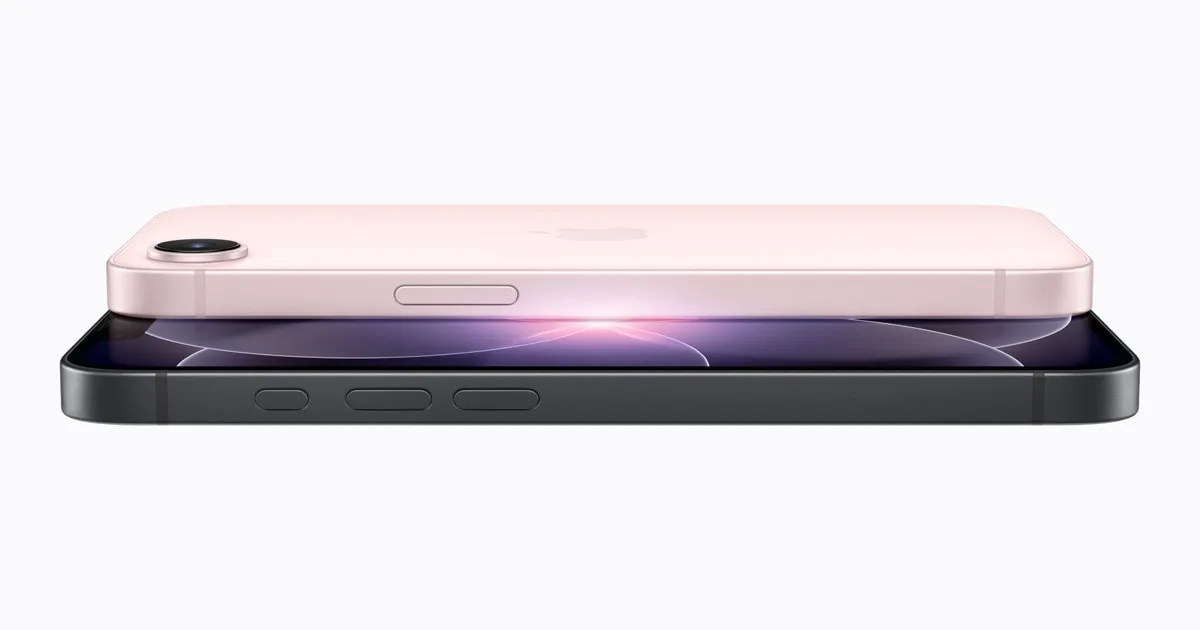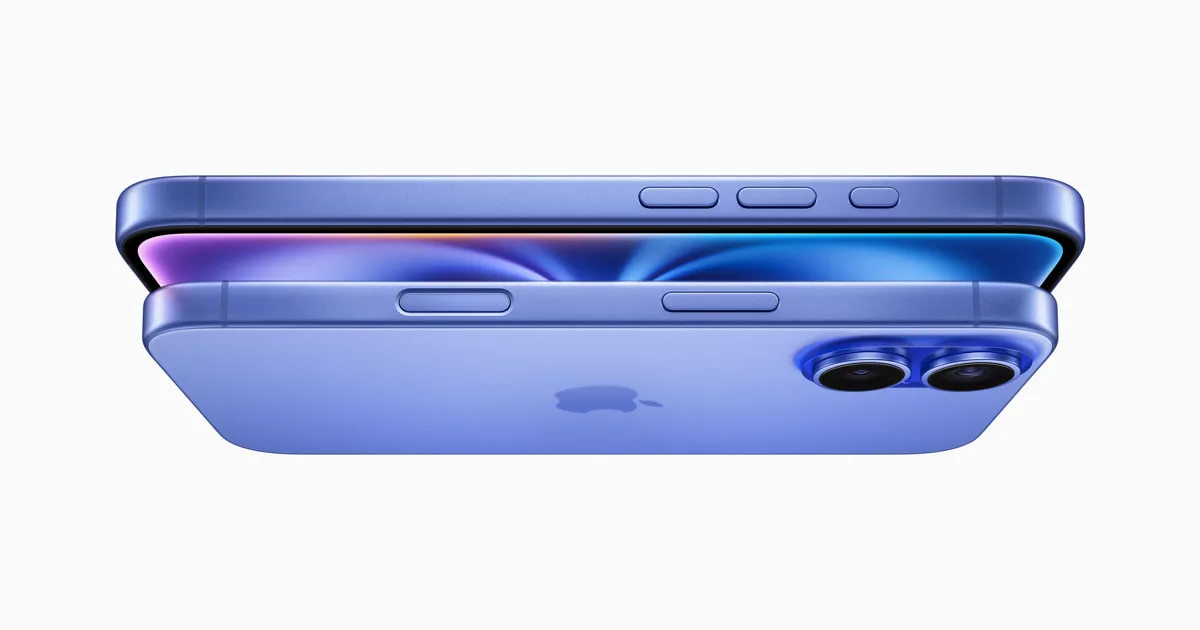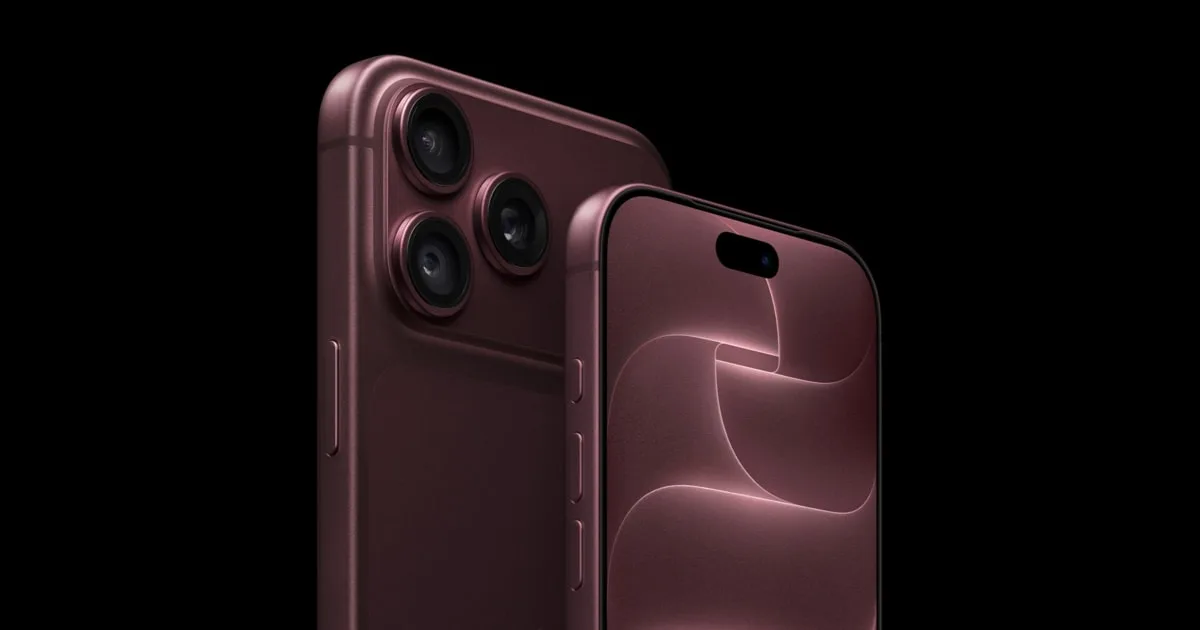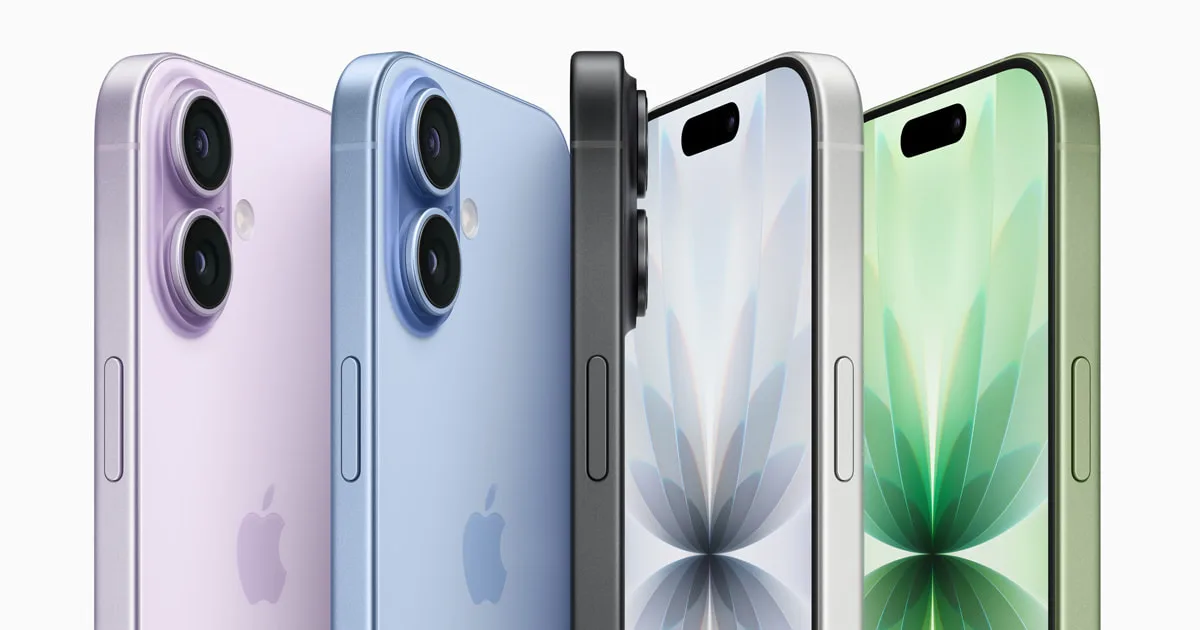
Apple sells three iPhones under $900, and this is the choice most budget-minded buyers end up making: the cheapest current-generation model or the standard one. Both prices went up by $100 in September, so the gap between them is still $200. This guide is research-based. We compared Apple's own spec pages, US store prices checked on November 12, 2026, and our own product data. We haven't used either phone ourselves, so there are no battery or camera test results here, only what Apple states and what reputable outlets report.
Prices side by side
| Storage | iPhone 17e | iPhone 17 | iPhone 16 |
|---|---|---|---|
| 128GB | Not offered | Not offered | $799 |
| 256GB | $699 | $899 | Not offered |
| 512GB | $899 | $1,099 | Not offered |
| Price at launch | $599 | $799 | n/a |
Sources: Apple's iPhone store and MacRumors' report on the September price rise, which added $100 to the iPhone 16, 17e, 17 and Air. Note that the 512GB iPhone 17e costs the same as a 256GB iPhone 17. If you're tempted by the bigger 17e, the iPhone 17 is usually the better use of $899. Our prices page tracks any changes.
Key specs compared
| iPhone 17e | iPhone 17 | |
|---|---|---|
| Chip | A19 (4-core GPU) | A19 (5-core GPU) |
| Display | 6.1-inch OLED, 60Hz | 6.3-inch OLED, ProMotion up to 120Hz, Always-On |
| Brightness (Apple) | 800 nits typical, 1200 nits HDR peak | 1000 nits typical, 1600 nits HDR, 3000 nits outdoors |
| Rear cameras | 48MP main only | 48MP main + 48MP ultra wide |
| Front camera | 12MP TrueDepth | 18MP Center Stage |
| Battery (Apple claim) | Up to 26 h video playback | Up to 30 h video playback |
| Wireless charging | MagSafe and Qi2 up to 15W | MagSafe and Qi2 up to 25W |
| Wi-Fi / Bluetooth | Wi-Fi 6, Bluetooth 5.3 | Wi-Fi 7, Bluetooth 6 |
| 5G | Sub-6 only | Sub-6 and mmWave |
| Port | USB-C (USB 2) | USB-C (USB 2) |
| Water resistance | IP68 | IP68 |
| Weight | 169 g | 177 g |
| Released | March 11, 2026 | September 19, 2025 |
Sources: iPhone 17e specs and iPhone 17 specs. The iPhone 16 column is left out here to keep the table readable; its details are on our iPhone 16 page.
What the extra $200 gets you
A smoother, brighter screen
This is the difference most people will notice every day. The iPhone 17 refreshes at up to 120Hz, so scrolling and animations look smoother, and it can show the time and widgets on an Always-On lock screen. The 17e stays at 60Hz. The 17 is also brighter on paper, and its screen is slightly bigger at 6.3 inches against 6.1.
A second camera
The 17e has a single 48MP camera on the back. The iPhone 17 adds a 48MP ultra-wide camera, which is useful for group photos, rooms, landscapes and close-up macro shots. On the front, the 17 has the newer 18MP Center Stage camera, which Apple designed to keep more people in frame on selfies and video calls.
Battery and charging
Apple claims up to 30 hours of video playback for the 17, against 26 hours for the 17e. Those are Apple's lab figures, not ours, but the gap points in a clear direction. The 17 also charges faster on a MagSafe or Qi2 pad (25W against 15W).
Newer wireless
The iPhone 17 supports Wi-Fi 7 and mmWave 5G, while the 17e has Wi-Fi 6 and sub-6 5G only. For most homes this won't matter today, but it's a small point in the 17's favour if you plan to keep the phone for five years or more.
Where the iPhone 17e holds its own
The 17e is not a stripped-down phone. It uses an A19 chip from the same family as the iPhone 17, with one fewer graphics core. It starts at 256GB, has an OLED screen, IP68 water resistance, MagSafe, an Action button and satellite features for emergencies, according to Apple's spec page. It also supports Apple Intelligence. Because it came out six months after the iPhone 17, our estimate is that it should get software updates for about as long, possibly a little longer. It's also slightly lighter.
If you mostly message, browse, stream and take everyday photos of people and things in front of you, the 17e covers those needs and saves you $200 for a case, AppleCare or a pair of AirPods 5.
What about the iPhone 16?
Apple still sells the iPhone 16 for $799, but only with 128GB. It has two rear cameras (48MP main and 12MP ultra wide), Wi-Fi 7 and an A18 chip, but a 60Hz screen and Apple's lowest battery claim of the three at 22 hours, according to Apple's iPhone 16 specs. It's more than two years old, so it will likely stop getting updates sooner. At full price we'd skip it. When we checked, Apple's refurbished store had it at $659, which makes more sense if you really want a second camera on a budget.
Who should buy which
- Most people: iPhone 17, for the 120Hz screen and second camera.
- First iPhone, teenager or tight budget: iPhone 17e at $699.
- Keen on photos of landscapes, rooms or groups: iPhone 17, for the ultra-wide camera.
- Heavy user who worries about battery: iPhone 17, for its longer battery claim and faster wireless charging.
- Wants two cameras for the least money: a refurbished iPhone 16.
- Thinking of the 512GB 17e: buy the 256GB iPhone 17 at the same price instead, unless you really need the storage.
Trading in an old phone? Our trade-in guide shows how to get the most for it.
Is a new model coming?
Yes, for both, and fairly soon. Apple didn't release a standard iPhone 18 in September. Several outlets, including MacRumors and 9to5Mac, report that the iPhone 18 is now expected in spring 2027. An iPhone 18e is expected around the same time, following the early-year pattern of the 16e and 17e. Leaks point to the A20 chip and Apple's C2 modem in both, but specs and prices are not confirmed, and one leaker suggests some iPhone 18 specs could even be trimmed to save cost. Our iPhone 18 rumours and iPhone 18e rumours pages rate each claim.
If your current phone works fine, waiting until spring is reasonable. If you need a phone now, both of these are current models and good buys. Just watch for Black Friday carrier deals rather than paying full price.
Bottom line
The iPhone 17 is the better phone, and $200 buys real, everyday improvements: the 120Hz screen, the ultra-wide camera and longer battery life. The iPhone 17e is the smart pick if $699 is your limit, because it keeps the modern chip, 256GB of storage and long update support. Still unsure? Put them side by side on our compare page or check our should I buy now page.
Part of our iPhone buying hub: every iPhone guide in one place.
Found something out of date? Tell us and we'll fix it and log the change on our corrections page.